
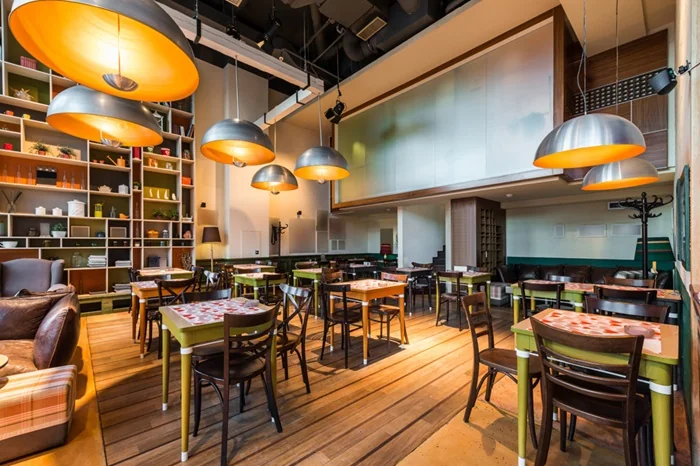
Have you ever scrolled through your feed, stopped dead at a photo of a latte resting on a rustic oak table, and thought, “I need to go there”? Let’s be honest. We no longer just eat with our mouths; we eat with our eyes, and more importantly, with our phone cameras. In the bustling hospitality industry of Ireland and the UK, your coffee might be roasted to perfection, and your sourdough might be award-winning, but if the environment doesn’t scream “share me,” you are leaving a massive marketing opportunity on the table.
The “Instagrammable” moment isn’t just a buzzword; it is a currency. It is free advertising generated by the people who matter most: your customers. But here is the secret that many interior designers keep close to their chest: the backdrop of that perfect shot isn’t usually the wall art. It is the furniture. The chair that frames the outfit, the table that contrasts with the crockery, the layout that allows for that perfect natural light.
Does Your Interior Tell the Right Story?
Think of your cafe or restaurant as a theatre stage. The food is the main act, but the furniture is the set design. If the set doesn’t match the script, the audience gets confused.
If you are serving high-end, delicate pastries but your customers are sitting on wobbly, plastic garden chairs, there is a cognitive dissonance. The brand promise is broken. Conversely, a gritty, industrial burger joint feels inauthentic if it is decked out in pristine, white linen tablecloths.
When you are browsing for restaurant tables and chairs, you are not just buying wood and metal; you are buying an atmosphere. You are purchasing the physical manifestation of your brand’s personality. A heavy, dark wood table says “traditional, hearty, stay a while.” A sleek, minimalist metal chair says “fast, modern, efficient.”
According to a study by Zizzi (a major UK restaurant chain), 30% of 18-35-year-olds would avoid a restaurant if their Instagram presence was weak. That is nearly a third of your potential younger demographic deciding whether to visit based purely on aesthetics. Your physical space needs to match your digital persona.
Is Comfort the Enemy of Style?
This is the age-old question for every hospitality owner. You want the furniture to look stunning in a photo, but you also want Mrs. O’Connor to be able to enjoy her tea without her back aching.
There is a fascinating psychological element to the furniture you choose. It controls the “dwell time.” Fast-food joints often use harder, upright seats. Why? Because they want you to eat quickly and leave to free up the table. High-end bistros use padded armchairs or velvet booths because they want you to settle in, order a second bottle of wine, and relax.
When looking for restaurant chairs for sale, you have to decide what your business model is.
- High Turnover: Choose firmer seats, upright backs, and materials like metal or moulded plastic which are easy to wipe down and encourage a quicker stay.
- High Average Spend: Opt for upholstered dining chairs, tub chairs, or deep booths. If a customer is comfortable, the likelihood of them ordering dessert increases significantly.
You need to find the sweet spot where restaurant tables and chairs look good in a square crop on a phone screen but feel good for a 45-minute lunch. It is a balancing act, but one that pays dividends in repeat custom.
Why Is “Texture” the Secret Weapon of Social Media?
Have you noticed how the most popular cafe photos often involve texture? A woolly jumper against a smooth velvet chair. A condensation-covered glass on a rough-hewn wooden top.
Flat, shiny surfaces can sometimes look sterile in photos (and they show up fingerprints terribly). Textures add depth and warmth. This is why velvet has made such a massive comeback in the hospitality sector. It catches the light, looks expensive, and feels luxurious to the touch.
When you are scouting for cafe tables and chairs for sale, think about how the light hits the surface. Matte finishes often photograph better than high-gloss ones because they don’t reflect the glare of overhead lights or camera flashes. Mixing materials—like pairing a timber top with a cast-iron base—adds visual interest that makes a space feel curated rather than catalogued.
Are You Ignoring the Practicality of “The Shot”?
We can wax lyrical about aesthetics, but if your furniture falls apart after three months, your investment is wasted. A wobbly table is the number one complaint in dining experiences, beating out cold food in some surveys!
There is nothing “Instagrammable” about a folded beer mat wedged under a table leg.
Durability is the unsung hero of the restaurant brand. Commercial-grade furniture is designed to withstand the rigours of daily use—heavy bags being dragged across it, hot plates, spills, and the constant shifting of weight. Residential furniture simply cannot cope with this level of traffic.
Investing in high-quality restaurant tables and chairs ensures that your venue looks as lovely on day 300 as it did on day 1. Scuffed legs, ripped upholstery, and chipped table edges tell customers that you aren’t concerned about the details. If you don’t care about the furniture, they may question your concern for kitchen hygiene.
How Can You Maximise Your ROI with Banqueting Chairs?
At Banqueting Chairs, we understand that you aren’t just filling a room; you are building a business. We know that every square foot of your floor plan has to generate revenue.
Choosing the right supplier means finding a partner who understands the difference between a stackable chair for a wedding venue and a bistro chair for a sidewalk cafe. It is about maximising capacity without making the space feel cramped. It is about finding that specific shade of teal that matches your logo perfectly.
Whether you are looking for robust restaurant chairs for sale that can handle a busy Saturday night service, or an elegant set of tables for a boutique hotel lobby, the goal is the same: to create a space that people want to be in, and importantly, want to be seen in.
Ready to Transform Your Space?
Your furniture is the silent host of your venue. It greets the guests, supports them throughout their meal, and leaves the final impression as they walk out the door. Don’t let it be an afterthought.
If you are ready to turn your cafe into the talk of the town (and the toast of the timeline), browse our extensive range today. Let’s build a brand that looks as good as it tastes.
Frequently Asked Questions
1. What is the standard height for a cafe table?
Standard dining height is usually around 75-76cm (30 inches). This is designed to work perfectly with standard restaurant chairs, which typically have a seat height of 46-48cm. If you are looking at “poseur” or bar tables for stools, these will be higher, usually around 105-110cm.
2. How much space should I leave between tables?
To ensure your staff can serve safely and customers don’t feel trapped, you should aim for a minimum gap of 45-60cm between corners of diagonal tables. However, for main thoroughfares where waiters are carrying hot food, a width of 90-100cm is recommended for smooth traffic flow.
3. Are upholstered chairs a bad idea for a cafe?
Not at all, but you must choose the right fabric. Velvet and wool look great but can be harder to clean. For high-traffic areas, look for “crib 5” fire-retardant treated fabrics or high-quality faux leathers (vinyls) which offer the look of fabric but can be wiped clean with a damp cloth.
4. Do I need to buy “commercial grade” furniture?
Yes. Domestic furniture is designed for use by a few people for a few hours a day. Commercial furniture is tested to withstand constant use by people of all weights and sizes for 12+ hours a day. Using domestic chairs in a business can also invalidate your public liability insurance in the event of a breakage.
5. Can I mix and match different chair styles?
Absolutely! The “mismatched” look is very popular and can give a venue a cosy, eclectic, and “lived-in” feel. A good rule of thumb to keep it cohesive is to stick to a consistent colour palette or a consistent material (e.g., all wooden chairs but in different shapes).
